
Your car communicates with you every time you drive — just not in words. Instead, it uses sounds. And when something isn’t right, those sounds change. The key to avoiding expensive repairs is knowing when to listen and what those noises might mean.
Some sounds are normal. Others are your car’s way of asking for help.
Squealing When Braking
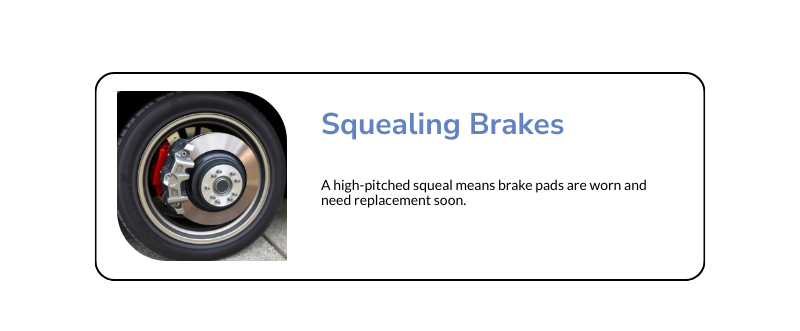
One of the most common warning noises is a high-pitched squealing when braking. This usually means your brake pads are worn down and need to be replaced. Brake pads are designed to make this noise as an early warning system. Ignoring it too long can lead to damage to your rotors, which is a much more costly repair.
Grinding Brakes
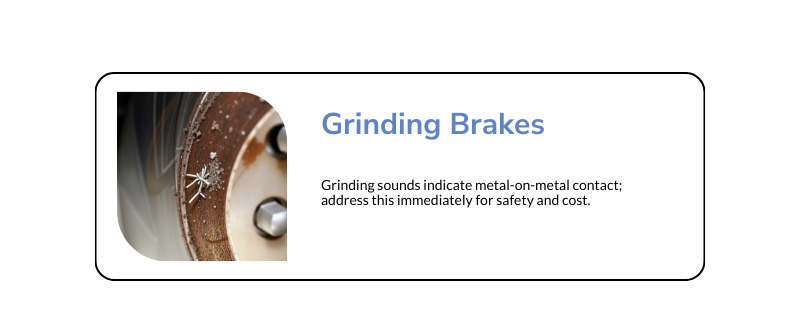
If you hear a grinding sound when you brake, that’s a sign the issue has likely progressed. At this point, the brake pads may be completely worn out, and metal components are rubbing together. This is something you’ll want to address immediately for both safety and cost reasons.
Knocking or Tapping Engine Noise
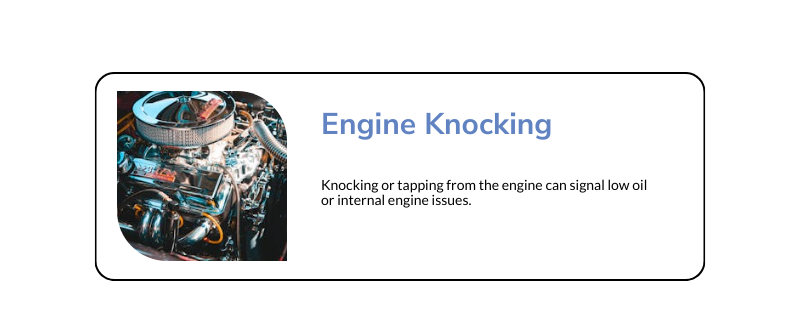
Another sound to pay attention to is a knocking or tapping coming from the engine. This can indicate several issues, ranging from low or dirty engine oil to more serious internal engine problems. Sometimes it’s as simple as needing an oil change. Other times, it may point to worn components that require professional inspection.
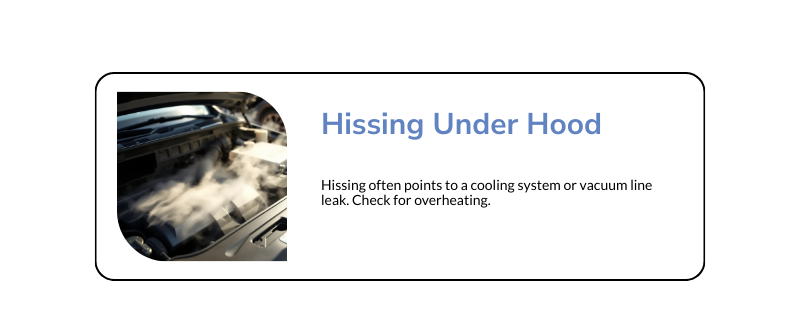
Hissing Under the Hood
A hissing sound under the hood is often related to a leak — usually from the cooling system or a vacuum line. If your engine is overheating or you notice fluid under your car along with this sound, it’s best to have it checked right away before it leads to bigger issues.
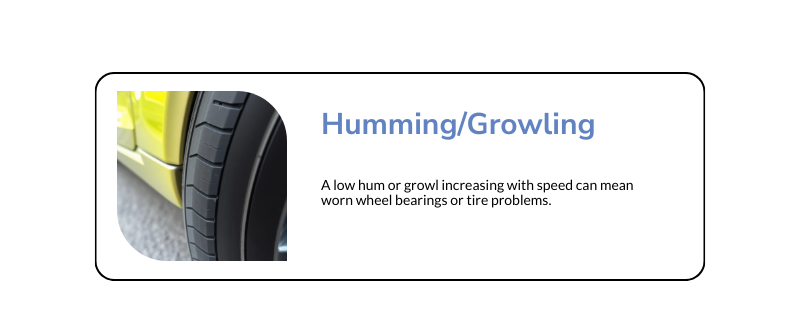
Humming or Growling While Driving
You might also notice a low humming or growling noise that increases with speed. This can be a sign of worn wheel bearings or tire issues. While it may seem minor at first, these components are critical for safe driving and should not be ignored.
Clunking Over Bumps or Turns
Then there’s the clunking noise when going over bumps or turning. This often points to worn suspension components like shocks, struts, or control arms. While your car may still be drivable, your handling and ride quality are being affected — and the problem will only get worse over time.
Don’t Ignore the Warning Signs
The important thing to remember is that cars rarely fail without warning. They give you signs — and sounds are one of the earliest indicators. The sooner you address them, the more you can minimize both risk and repair costs.
Don’t ignore what your car is trying to tell you. If you’ve noticed a new or unusual noise, now is the time to act. Schedule an inspection with Autoscope today and get clear answers before a small issue turns into a major repair. Our expert technicians will diagnose the problem quickly, walk you through exactly what’s going on, and get you back on the road with confidence — backed by our 3-year / 36,000-mile warranty.