
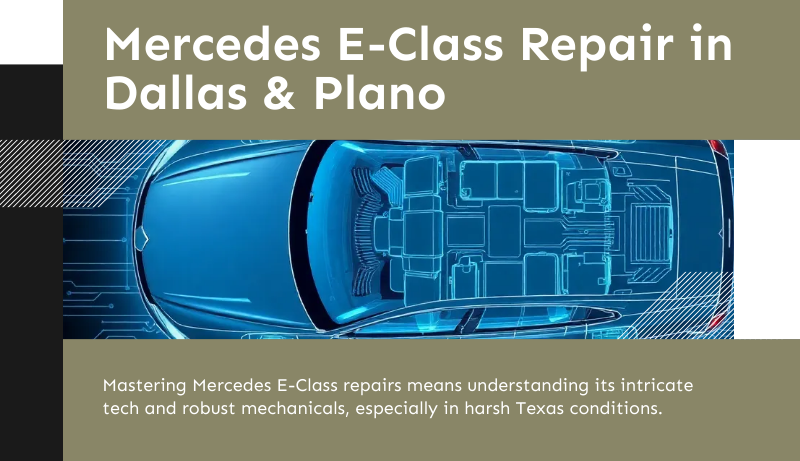
Mercedes E-Class Repair Requires Platform-Specific Expertise
Mercedes repair demands a technician who understands both the mechanical architecture and the electronic complexity of the platform. The E-Class has long served as the technological benchmark within the Mercedes lineup, introducing advanced suspension systems, hybrid drivetrains, driver-assistance technology, and layered control modules before they appear in other models.
In Dallas and Plano, where extreme summer heat, stop-and-go traffic, and high-speed tollway driving are routine, repair strategies must account for environmental stress. Cooling systems, suspension components, and electrical systems experience accelerated wear under North Texas conditions.
The E-Class spans multiple generations, including W211, W212, W213, and the newest W214 platform. Each generation carries unique engineering traits and known failure patterns. Repair accuracy depends on identifying not just the model year but the chassis code, engine variant, and installed options.
Common Mercedes E-Class Mechanical Issues in Texas Conditions
Certain repair categories appear consistently across E-Class ownership, particularly in high-heat climates like Dallas–Fort Worth.
The most frequently encountered mechanical issues include:
- Cooling system component failures (water pumps, thermostats, expansion tanks)
- Oil leaks from cam adjuster seals or timing covers
- AIRMATIC suspension air strut leaks
- Control arm bushing wear from uneven road surfaces
- Transmission conductor plate or valve body faults
- Engine mount deterioration from prolonged heat exposure
North Texas temperatures routinely exceed 100°F during summer months. Heat accelerates rubber degradation, plastic brittleness, and coolant breakdown. Vehicles parked outdoors or driven daily in urban traffic experience greater thermal cycling stress.
Ignoring minor leaks or suspension noise often leads to cascading failure. An air suspension leak, for example, can overload the compressor. Delayed repair multiplies cost.
Electrical System Complexity Defines Modern E-Class Repair
Modern E-Class models are networked vehicles with dozens of control modules communicating via CAN and LIN bus systems. Electrical repair is no longer limited to replacing a failed switch or relay.
E-Class electrical issues often involve:
- COMAND or MBUX infotainment malfunctions
- Blind Spot Assist sensor faults
- Radar cruise control calibration errors
- Battery management system warnings
- Parasitic battery drain
- Keyless-Go or ignition authorization issues
Proper diagnosis requires factory-level scan tools capable of module coding and programming. Generic OBD readers are insufficient. Many repair facilities in Dallas and Plano lack the proprietary software needed for advanced recalibration.
Heat also plays a role. High temperatures can accelerate battery degradation, especially in vehicles with dual-battery systems.
AIRMATIC Suspension Repair Is a Frequent High-Cost Event
AIRMATIC suspension failure is one of the most significant repair concerns in mid- to high-trim E-Class vehicles. Air struts replace traditional coil springs and provide adaptive ride height and damping control.
When functioning properly, AIRMATIC delivers exceptional ride quality. When it fails, symptoms escalate quickly:
- Vehicle sagging overnight
- “Stop, car too low” dashboard warnings
- Excessive compressor cycling
- Uneven ride height
- Harsh or unstable handling
Replacement options vary in cost and durability.
| Repair Option | Cost Range | Longevity | Risk Level |
| OEM Air Strut | High | Excellent | Low |
| Aftermarket Air Strut | Moderate | Variable | Moderate |
| Coil Conversion Kit | Moderate | High | Alters ride dynamics |
Coil conversions eliminate future air system failures but permanently change ride characteristics. For owners prioritizing factory performance, OEM replacement remains the most consistent solution.
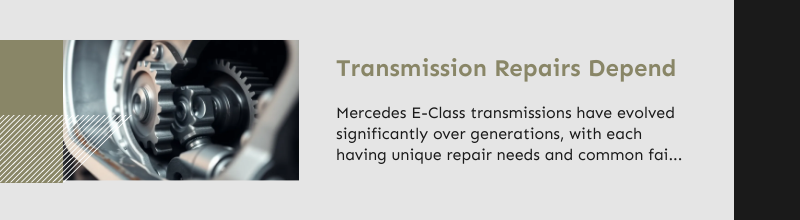
Transmission Repairs Depend on Generation
Mercedes E-Class transmissions have evolved significantly. Earlier models featured the 5G-Tronic, later replaced by the 7G-Tronic and most recently the 9G-Tronic transmission.
Common transmission repair categories include:
- Conductor plate failures (W211)
- Delayed engagement or harsh shifting
- Torque converter shudder
- Fluid contamination
- Valve body wear
Heat again plays a role. Texas highway driving at sustained speeds increases transmission fluid temperatures. Regular fluid service is critical, despite outdated claims of “lifetime” fluid.
Proactive service intervals prevent major rebuild scenarios.
Cooling System Failures Are Accelerated in Dallas Summers
Cooling system stress in North Texas cannot be overstated. The E-Class uses high-efficiency radiators, electric fans, and tightly controlled thermostatic systems.
Typical failures include:
- Electric water pump burnout
- Cracked coolant reservoirs
- Radiator seam leaks
- Auxiliary cooling pump faults
- Thermostat housing cracks
When coolant systems fail under extreme heat, overheating occurs rapidly. Aluminum engine blocks are particularly vulnerable to head gasket damage when temperature spikes are ignored.
Preventative inspections before peak summer months significantly reduce catastrophic failures.
Brake and Steering Repairs Reflect Driving Patterns in Plano and Dallas
Urban commuting and tollway driving create distinct wear patterns.
Brake systems on E-Class models often require:
- Rotor replacement with every pad service
- Electronic parking brake calibration
- Brake wear sensor replacement
- ABS module diagnostics
Steering repairs may include:
- Tie rod end replacement
- Power steering pump service (hydraulic systems)
- EPS module diagnostics (electric systems)
- Alignment corrections after suspension work
North Texas road construction zones and uneven pavement accelerate suspension component wear. Regular inspection is essential for preserving handling precision.
Engine Variants Influence Repair Strategy
Mercedes E-Class models are offered with multiple engine configurations, including turbocharged four-cylinders, V6, inline-six, V8, and mild-hybrid systems.
Each carries distinct repair considerations.
Turbocharged Four-Cylinder Engines
These engines prioritize efficiency and torque delivery. Repair focus areas include:
- Turbocharger wastegate issues
- PCV system clogging
- Carbon buildup on intake valves
- High-pressure fuel pump wear
V6 and Inline-Six Engines
These engines balance performance and refinement. Known service areas include:
- Timing chain tensioner wear
- Oil cooler seal leaks
- Ignition coil failures
- Secondary air injection issues
V8 Models (AMG Variants)
High-performance E-Class models demand more aggressive maintenance schedules.
Common V8 repair points:
- Oil consumption monitoring
- Intercooler pump failures
- Turbocharger seal wear
- Engine mount collapse
Performance engines produce more heat. In Texas climates, heat management becomes a central maintenance priority.
Dealer vs Independent Mercedes Specialist in Dallas–Plano
Repair quality depends more on specialization than brand affiliation. Both dealership service centers and independent European specialists operate in the Dallas and Plano markets.
A comparison clarifies differences:
| Factor | Dealership | Independent Specialist |
| Labor Rate | Highest | Moderate |
| OEM Parts | Yes | Yes |
| Programming Capability | Full | Often Full |
| Warranty Work | Yes | No |
| Flexibility | Limited | High |
Independent Mercedes specialists often provide equivalent diagnostic capability with lower overhead. For out-of-warranty E-Class vehicles, independent shops frequently offer stronger value without sacrificing expertise.
The key differentiator is familiarity with Mercedes platform architecture—not shop branding.
Cost Expectations for Mercedes E-Class Repair in North Texas
Repair costs vary by generation and issue severity. Labor rates in Dallas and Plano reflect a competitive European-vehicle market.
General cost expectations:
- Minor electrical repair: Moderate
- Cooling system component replacement: Moderate to high
- AIRMATIC strut replacement: High
- Transmission rebuild: Very high
- Engine major repair: Very high
Deferred maintenance significantly increases total ownership cost. Addressing early warning signs—fluid leaks, warning lights, ride height changes—prevents exponential expense.
Diagnostic Precision Determines Repair Outcomes
Mercedes vehicles rely on data-driven diagnostics. Guesswork is expensive.
Effective repair facilities:
- Use manufacturer-level scan tools
- Perform software updates when required
- Calibrate sensors after suspension or body repair
- Document fault codes with freeze-frame data
- Road-test under real conditions
Sensor recalibration is particularly critical after windshield replacement or collision repair. Advanced driver-assistance systems require precise alignment.
Climate and Traffic Patterns Influence Maintenance Strategy
North Texas driving patterns combine suburban commuting, highway speeds, and extreme temperature swings.
Maintenance adjustments should include:
- Shortened oil change intervals
- Pre-summer cooling system inspection
- Battery testing before winter cold snaps
- Suspension checks after pothole exposure
- Transmission fluid service before 60,000 miles
Mercedes maintenance schedules are baseline guidelines. Regional climate warrants earlier intervention.
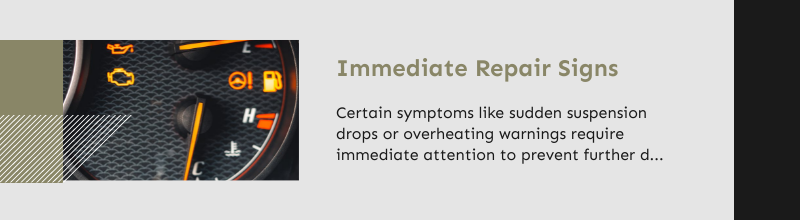
Signs Immediate E-Class Repair Is Required
Certain symptoms indicate urgent attention.
- Sudden suspension drop
- Overheating warning
- Flashing check engine light
- Transmission slipping
- Electrical system instability
- Burning oil smell
Driving with these conditions risks secondary damage.
Repair Planning Strategy for Long-Term Ownership
Long-term E-Class ownership requires structured maintenance planning.
An effective approach includes:
- Baseline inspection upon purchase
- Establishing service history continuity
- Addressing fluid leaks immediately
- Budgeting annually for preventive repairs
- Monitoring suspension and cooling systems proactively
Owners who plan maintenance systematically experience lower cumulative cost and fewer emergency breakdowns.
Mercedes E-Class Repair – People Also Ask
How expensive is Mercedes E-Class repair in Dallas?
Costs vary widely by issue, but specialized European repair rates in Dallas and Plano remain competitive compared to dealership pricing.
Is Mercedes E-Class reliable long term?
Reliability improves significantly when preventive maintenance is performed consistently and known platform weaknesses are addressed early.
Should I take my E-Class to a dealer or independent shop?
Out-of-warranty vehicles often benefit from experienced independent Mercedes specialists who maintain factory-level diagnostic capabilities.
How long does AIRMATIC suspension last?
Air suspension components typically last 70,000–100,000 miles, though Texas heat may shorten lifespan.
What are common warning lights on an E-Class?
Common alerts include check engine, suspension malfunction, battery warning, and brake system warnings.
Does heat affect Mercedes electrical systems?
Extreme heat accelerates battery wear and can stress electronic modules, particularly in vehicles parked outdoors.
Mercedes E-Class repair in Dallas and Plano is not merely about fixing components; it is about managing complexity in a demanding climate. Owners who approach maintenance strategically preserve performance, protect resale value, and maintain the engineering integrity that defines the E-Class platform.